
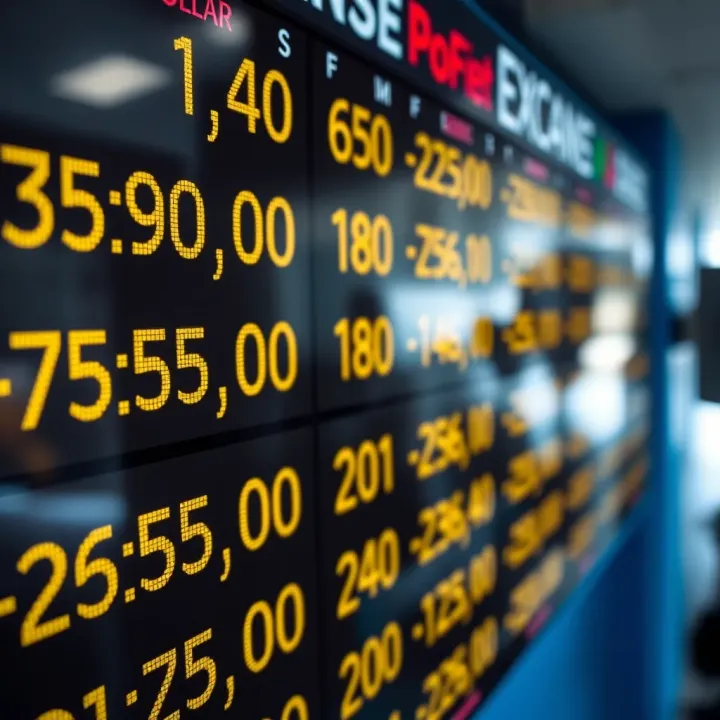
Equivalencia de 80 USD en pesos colombianos hoy
💵 Conoce cómo convertir 80 USD a pesos colombianos, qué afecta el cambio y consejos para transacciones seguras entre estas monedas. ¡Infórmate aquí!
Editado por
Sofía Delgado
Converting Colombian pesos (COP) to US dollars (USD) isn't just about swapping bills—it involves understanding exchange rates, fees, and timing to get the most value. For investors, traders, or finance professionals, grasping these basics can prevent costly mistakes.
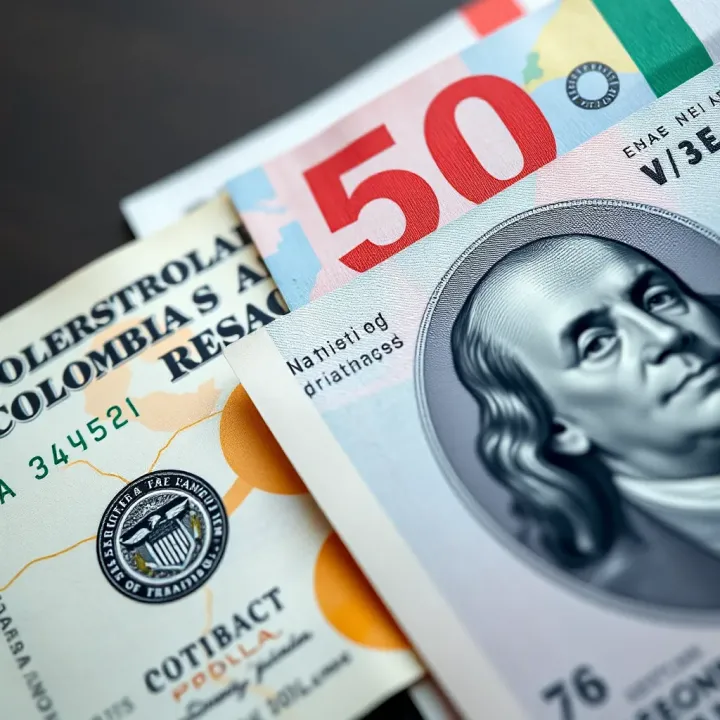
Exchange rates between COP and USD fluctuate based on several factors like market demand, inflation in Colombia, the Fed's policies, and geopolitical events. For example, in 2023, the rate hovered around 4,000 COP per US dollar but saw swings caused by changes in oil prices and Colombia's trade balance.
Rates you see online, such as from XE or OANDA, often reflect the interbank rate, which isn’t what you’ll get when converting cash. Banks and currency exchange services charge a spread—a markup on the rate—to cover costs and profits.
Banks: Usually offer the safest routes for large transactions. They provide reasonable rates but can include higher fees and stricter documentation for amounts over $10,000.
Currency Exchange Kiosks: Convenient for travelers but tend to have worse rates and added fees. Avoid airport kiosks unless you have no other option.
Online Services: Platforms like Wise or Remitly often offer competitive exchange rates and lower fees for transferring money internationally. However, they might require bank accounts in both countries.
ATMs in Colombia: Withdrawing dollars directly can be an option but may come with foreign transaction fees and poor rates from your home bank.
Always check the "mid-market" rate before any transaction to know what the going price is. This benchmark helps you assess if you’re getting a fair deal.
Plan your conversion ahead of time to avoid last-minute decisions when rates might be unfavorable.
For investments, monitor economic indicators from Colombia’s central bank and US Fed announcements as they impact rates.
Keep an eye on fees: a small percentage fee on large sums can add up fast.
By understanding these points, you can confidently navigate the process of converting Colombian pesos to US dollars, saving money and time whether you’re sending funds overseas, investing, or traveling.
Grasping how the exchange rate between Colombian pesos (COP) and US dollars (USD) works lays the foundation for making smart financial decisions. Whether you're an investor, trader, or financial professional exchanging currency for business, understanding what drives the rate helps you predict cost changes and timing. For example, knowing why the peso might weaken against the dollar can save you from losing money on conversions or inform your hedging strategies.
The basic driver of the exchange rate is the balance of supply and demand for both Colombian pesos and US dollars. Imagine a surge in Colombian exports; companies receiving dollars might look to convert them into pesos to pay local expenses. This increases demand for COP and can push its value up against the dollar. On the flip side, if many Colombians try to buy US dollars for imports or travel, the peso faces pressure and may weaken.
This push and pull happens constantly in global Forex markets as traders, companies, and governments buy and sell currencies. For instance, if investors fear instability in Colombia, they might sell pesos, flooding the market and driving down its value.
Economic data from both countries plays a big part. Things like Colombia’s GDP growth, inflation rate, and unemployment numbers hint at the country’s economic health. Strong growth or low inflation tends to support the peso. Meanwhile, interest rates matter too; higher rates in the US relative to Colombia attract investors seeking better returns, boosting dollar demand.
Consider the Federal Reserve raising rates—that typically strengthens the dollar and can weaken emerging market currencies like the peso. Traders monitor these stats closely to adjust their currency positions.
Politics isn’t just noise; it impacts investor confidence deeply. Political turmoil or uncertainty in Colombia can scare off foreign investments, leading to less demand for pesos. For example, an unexpected government reshuffle or social unrest might trigger peso depreciation.
Conversely, stability encourages capital inflows, supporting the currency's value. Even news of political reforms or trade agreements can shift rates sharply. For anyone dealing with COP/USD conversions, keeping tabs on political headlines is part of risk management.
Central banks, like Colombia’s Banco de la República and the US Federal Reserve, influence exchange rates by managing money supply and interest rates. If Colombia’s central bank raises interest rates, it might attract foreign capital, supporting the peso.
Moreover, policies like currency intervention—buying or selling large amounts of currency—can stabilize or shift the exchange rate abruptly. For instance, Colombia might intervene to prevent the peso from dropping too quickly, protecting import prices.
For the most reliable exchange rate info, official sources like the Banco de la República site or the US Federal Reserve’s financial data portals provide accurate, regularly updated figures. These rates reflect the interbank market where big players trade currencies.
Investors should check these to avoid outdated information that can cost money when converting. For example, relying on yesterday’s rate might mean missing out if rates move suddenly today.
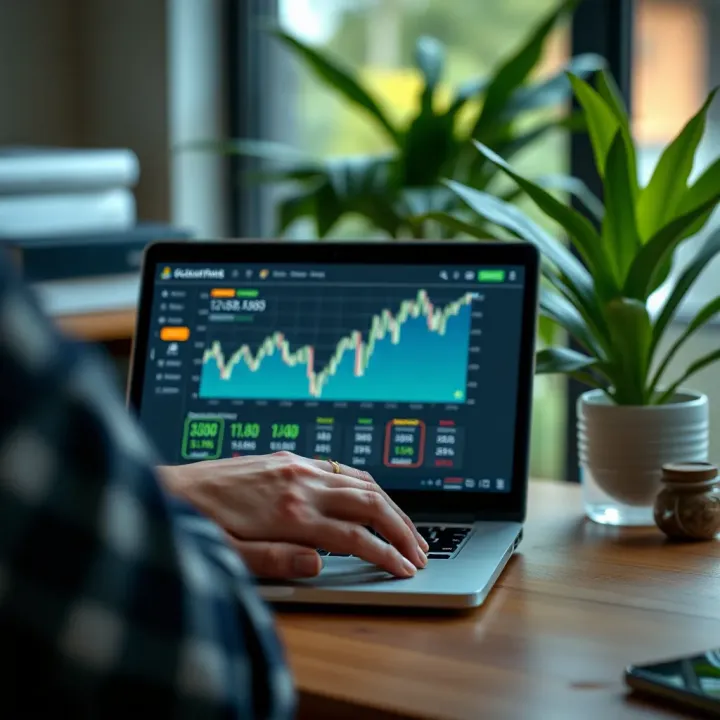
Online tools and apps—like XE, OANDA, or Bloomberg’s currency converter—offer user-friendly ways to see current rates instantly. They're convenient for quick checks and can adjust for fees or spreads to show realistic transaction rates.
Many platforms let you compare multiple providers or predict trends. Picking the right app can help traders decide when to execute conversions.
It’s crucial to know that not all displayed rates update instantly. Some sites show prices delayed by 15 minutes or more, which might be fine for casual checks but risky for timely trades.
Real-time rates come from live Forex feeds, essential for traders working within tight margins. Suppose you see a spot rate online; confirming if it updates in real-time prevents surprises during currency conversion. Always confirm with your service provider if the locked-in rate matches the displayed one at the moment of your transaction.
Staying informed about exchange rate drivers and sources empowers you to make smarter conversion choices, minimize costs, and better manage currency risks when dealing with Colombian pesos and US dollars.
Converting Colombian pesos to US dollars involves several practical methods, each with its own set of benefits and considerations. Understanding these options helps you pick the best approach, whether you're making a large investment, sending money home, or planning a trip.
Banks and currency exchange offices remain the most traditional means of converting Colombian pesos. In Colombia, major banks like Bancolombia and Davivienda offer currency exchange services, while in the US, banks such as Chase and Bank of America provide options to convert or receive dollars. This method is especially useful if you prefer dealing with established financial institutions where security and verification protocols are clear.
Typically, banks and exchange centers charge fees or include a commission in the exchange rate. These fees can vary widely—from 1% up to 5% of the transaction amount—depending on the institution and the service's location. Knowing these charges upfront can save you from unexpected costs, especially when converting large sums.
Processing times at banks are generally straightforward but might not be instantaneous. Physical exchange offices usually complete transactions on the spot, while bank wire transfers can take from one to three business days to reflect. Planning ahead for these delays is key if you need the converted funds promptly.
Online platforms like Wise (formerly TransferWise), Remitly, and CurrencyFair have become popular for their convenience and competitive rates. These digital services often provide better exchange rates than banks and reduce hidden fees by offering transparent pricing.
Security is paramount when using online platforms. These services are typically regulated by financial authorities and use encryption technology to protect your personal and financial data. Many require identity verification steps to prevent fraud, so having your ID and other documents ready speeds up the process.
One of the biggest advantages of online platforms is the ability to compare real-time rates and fees across different services before converting. This ensures you get the best deal rather than settling for what's available at your local bank or exchange office.
Withdrawing US dollars directly from ATMs in Colombia using a debit or credit card tied to a US bank account can be a convenient option. However, card networks may apply foreign transaction fees, and ATM operators sometimes add withdrawal charges. Additionally, daily withdrawal limits can restrict how much cash you get to avoid frequent trips.
Peer-to-peer transfers and remittance services offer another alternative. Platforms like PayPal, Venmo, or specialized remittance companies such as Western Union and MoneyGram facilitate cross-border money transfers. These services can be faster than banks and sometimes cheaper, but fees and exchange rates vary, so double-check before sending.
Whenever converting currencies, the bottom line is balancing speed, cost, and reliability. Knowing your options lets you make the smartest choice based on your specific needs and circumstances.
Understanding the factors that impact currency conversion costs is key for anyone working with Colombian pesos and US dollars. Conversion rates and fees can vary significantly, affecting how much value you actually get when exchanging money. Knowing what influences these costs lets you plan better and avoid surprises.
Impact of daily rate changes: Exchange rates between the Colombian peso and the US dollar fluctuate constantly due to market forces like trade balances, economic data releases, and political events. For example, if there's unexpected inflation data in Colombia pushing the peso down, your converted amount in dollars might be less favorable on that day. Even small daily changes can add up if you're moving large sums.
These fluctuations mean timing your currency exchange can have a real impact on your financial outcomes, especially for traders and investors watching the markets closely. It pays to check reliable sources for the latest rates before making decisions.
Timing your conversion wisely: Timing matters a lot when converting currencies. If you wait too long, rates might swing unfavorably, but converting too early might lock in a less-optimal rate. Monitoring trends over a few days or weeks can help you catch a better deal.
For instance, if economic forecasts suggest the peso might weaken due to upcoming policy changes, it might be smarter to convert sooner rather than later. Sophisticated traders often watch indicators like inflation reports or Fed decisions to decide when to act.
Bank commissions and service charges: Besides the exchange rate itself, banks and currency exchange offices often add commissions or service fees. These can be a flat fee or a percentage of the amount exchanged. For example, some banks might charge $10 plus a 1% commission on your transaction.
These fees can significantly cut into your conversion’s value, especially for smaller amounts. It's smart to ask about all fees upfront and compare providers before converting your pesos to dollars.
Currency spread and markup costs: The spread is the difference between the buying and selling price a currency dealer offers. For example, if the interbank rate is 4,000 COP per dollar, but your exchange office sells dollars at 4,050 COP, that 50 pesos is the spread and effectively a hidden cost.
Markups add on top of that, especially at less reputable places or during volatile times. Over time, these costs can add up. Smart investors look for providers offering competitive spreads and transparent fee structures to maximize their returns.
The bottom line is that understanding both the visible rates and the often-hidden charges can save you money and help you stretch your dollars further when converting Colombian pesos.
By factoring in these costs and timing your exchange thoughtfully, you can make informed decisions that protect your value and optimize your currency conversions.
Knowing how to get the best bang for your buck when converting Colombian pesos to US dollars can make a noticeable difference, especially for investors and traders who deal with large sums. Even small variations in exchange rates or fees can add up, so it pays to be savvy. This section offers practical advice to help you protect your investment and avoid costly mistakes.
Monitoring rate trends helps you spot favorable moments to convert your pesos. Exchange rates fluctuate daily due to market forces, economic news, and geopolitical events. For example, if the Colombian peso weakens against the dollar because of slower economic growth in Colombia, converting your pesos during that dip might mean you get more dollars for your peso. Tracking these trends over weeks or months can reveal patterns or alerts about upcoming rate shifts, allowing better timing on your conversions.
Avoiding conversions at unfavorable times can save you from exchanging currencies when the rate is skewed or fees are high. For instance, converting right before a major political event in Colombia or US economic announcements can be risky. Rates might shift rapidly, increasing costs unexpectedly. Plus, avoid weekends and holidays when banks and currency markets are closed or sluggish, leading to less favorable rates and possible hidden fees.
Avoiding scams or poor exchange conditions means sticking with trusted financial institutions, whether online or offline. Fraudsters target currency exchange, so you should always verify the legitimacy of the service. Avoid sketchy exchange offices offering suspiciously high rates or asking for upfront large cash payments. Well-known banks, licensed exchange offices, and established apps like Wise or Revolut typically offer reliable, transparent service.
Leveraging comparison tools can spotlight where to convert your money with the least fees and the best rates. Several online platforms compare rates across banks, exchange offices, and digital services. Using these tools, you might find you save several percentage points compared to a single bank’s rate. Comparing these options regularly before large conversions is worth the few minutes it takes.
Understanding tax implications is critical if you convert large sums or regularly move money across borders. The IRS requires reporting foreign income and certain currency transactions above thresholds. In Colombia, there might also be taxes or reporting rules. Ignoring these can lead to penalties. Consulting with a tax advisor familiar with cross-border currency transfers can prevent surprises.
Reporting requirements for cross-border transfers ensure you stay compliant with laws on money movement. For example, the FinCEN Form 114 (FBAR) requires US persons to report foreign bank accounts exceeding $10,000. Meanwhile, Colombian banks might ask you for documentation about the source of funds. Proper documentation helps avoid delays, freezing of funds, or audits.
The bottom line is: smart timing, trusted sources, and knowing the rules save you money and hassle when converting Colombian pesos to US dollars. This approach shields you from pitfalls and helps your hard-earned money stretch further.
💵 Conoce cómo convertir 80 USD a pesos colombianos, qué afecta el cambio y consejos para transacciones seguras entre estas monedas. ¡Infórmate aquí!

💵 Aprende a convertir 148 dólares a pesos colombianos con métodos prácticos y consejos para aprovechar las mejores tasas de cambio según el mercado actual.

📊 Descubre cómo las opciones Q ayudan a inversionistas colombianos a tomar decisiones estratégicas en escenarios futuros e incertidumbre financiera con ejemplos claros.
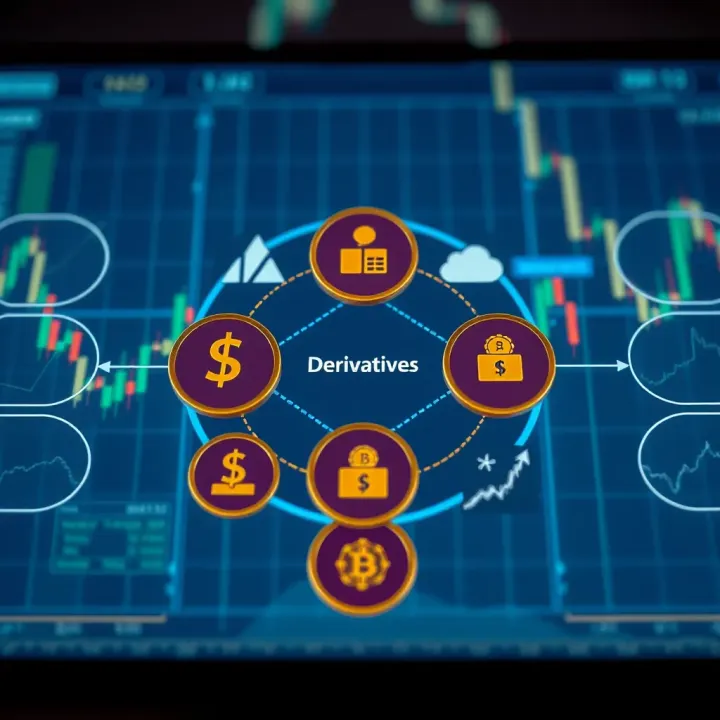
🌐 Aprende sobre trading de derivados: conceptos, estrategias efectivas y cómo manejar riesgos financieros para tomar decisiones más informadas y seguras en el mercado.
Basado en 10 reseñas