

Evolución del euro frente al peso colombiano
📈 Descubre cómo evoluciona el euro frente al peso colombiano, factores clave, estrategias para manejar riesgos cambiarios y tomar decisiones acertadas en Colombia.
Editado por
Diego Ramírez
Understanding the current exchange rate between euros and Colombian pesos is key for investors, traders, and financial professionals dealing with international transactions. Exchange rates fluctuate based on the interplay between multiple factors, influencing the exact amount of pesos you get for each euro.
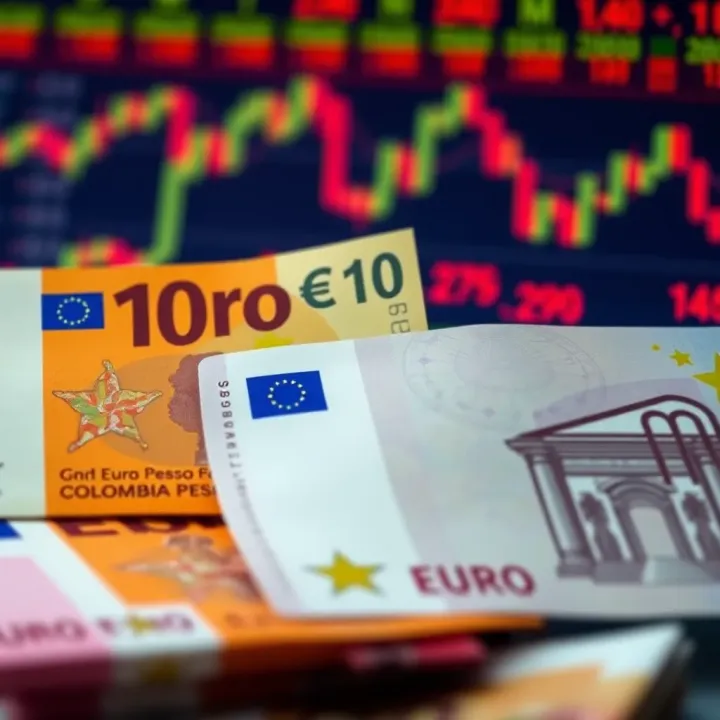
Currencies trade on the global forex market, influenced mainly by supply and demand dynamics. For instance, increased demand for the Colombian peso, perhaps due to strong exports or foreign investment, generally strengthens the peso against the euro. Conversely, political instability or economic downturns in Colombia can weaken the peso.
Central banks also play a role. The European Central Bank (ECB) and Colombia’s Banco de la República adjust interest rates and monetary policies that impact their currencies’ appeal. When ECB raises interest rates, euros often strengthen as investors seek higher yields.
Currencies are affected by several elements, including:
Economic indicators: GDP growth, inflation, and unemployment rates in the eurozone and Colombia can cause shifts.
Trade balances: A surplus or deficit between the two regions influences demand for respective currencies.
Political events: Elections, policy changes, or geopolitical tensions shift investor confidence.
Market sentiment: Unexpected global events can lead to sudden swings in exchange rates.
If you’re converting large sums, timing matters. Track the exchange trends for weeks to identify favorable rates. Curiously, some investors use platforms like Bloomberg Terminal or Reuters Eikon to monitor real-time changes and get alerts.
Additionally:
Compare providers: Rates and fees vary between banks, online exchange services, and currency brokers.
Watch for hidden charges: Sometimes low rates come with steep transaction fees.
Fix rates when possible: For businesses, locking in rates via forward contracts can reduce risk.
Knowing not just the current rate, but why it moves, lets you make smarter decisions — whether buying Colombian goods or managing euro-based investments.
In summary, keeping an eye on economic data, central bank decisions, and geopolitical developments helps you anticipate and act on shifts in the euro to Colombian peso exchange rate. This knowledge can secure you better value and reduce uncertainty in your financial dealings.
Knowing how the euro to Colombian peso exchange rate works is essential for investors, traders, and financial professionals dealing with either currency. Exchange rates directly impact the cost of international trade, investment returns, and financial planning. For example, if you're managing a Colombian business that imports goods priced in euros, even a slight change in the exchange rate could significantly affect your profit margins.
The euro to Colombian peso rate is primarily determined in the global currency markets, where currencies are traded 24/7. Large banks, corporations, and governments buy or sell euros and pesos in these markets, causing rates to fluctuate in real-time. For instance, if European importers want more pesos to buy Colombian coffee, higher demand for pesos will push up its value against the euro.
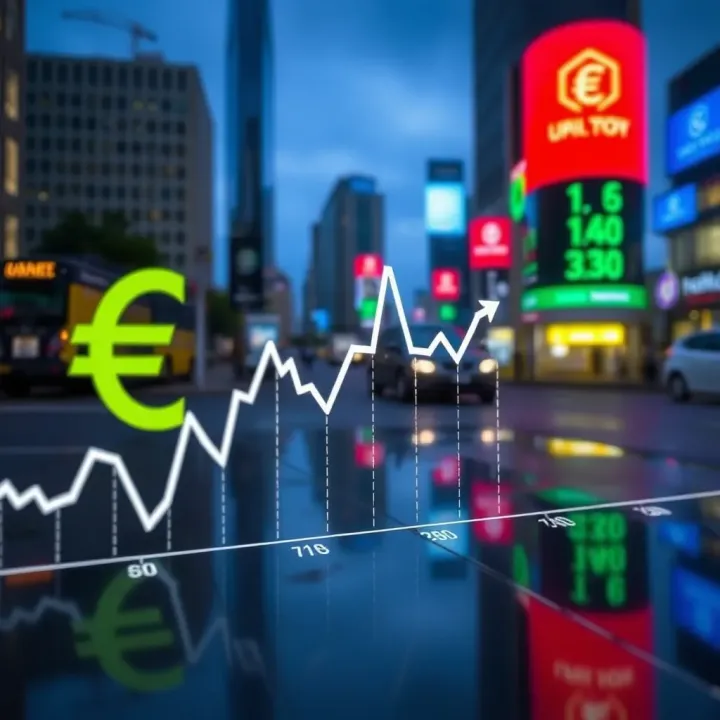
Central banks, like the European Central Bank (ECB) and Colombia’s Banco de la República, also play a part by guiding monetary policy. Their decisions—such as interest rate changes or currency interventions—signal economic health and can stabilize or shake exchange rates. When Colombia raises interest rates, investors may find Colombian peso assets more attractive, which can increase its value versus the euro.
Basically, supply and demand dictate currency values beyond official policies. If euro sellers outnumber buyers, the euro depreciates against the peso. This dynamic can be affected by factors like trade flows, capital investments, or even tourism trends. For example, a surge in Europeans visiting Colombia increases the demand for pesos, nudging its rate higher.
Official rates, published by governments or central banks, reflect broad economic conditions but don't always match the rates available in everyday transactions. Market rates, on the other hand, show the real-time cost of trading currencies and may include factors like liquidity and trading volume. For example, Colombia’s central bank might publish an official rate, but banks and forex platforms could offer different rates based on current market activity.
Different financial institutions apply various fees, commissions, and risk margins, causing exchange rate variations. Banks like Bank of America or Wells Fargo might offer competitive rates with smaller spreads, while local currency exchangers typically charge more, especially for smaller transactions. Timing also matters; rates can shift quickly during volatile market conditions, so where and when you exchange money affects the final value you get.
Understanding these elements helps you anticipate rate movements and make smarter financial decisions whether you're hedging currency risk, transferring funds, or planning investments involving euros and Colombian pesos.
Understanding the factors that influence the euro to Colombian peso exchange rate can help investors, traders, and financial professionals make informed decisions. Exchange rates don't just randomly fluctuate; they're shaped by measurable economic indicators, political stability, and global events. These elements provide valuable clues about currency strength and help anticipate shifts in value.
Inflation rates in the Eurozone and Colombia play a significant role in shaping exchange rates. When inflation rises in the Eurozone, the purchasing power of the euro declines, often leading to a weaker euro against other currencies like the Colombian peso. Conversely, if Colombia experiences higher inflation, the peso might lose value relative to the euro. For example, if Colombia’s inflation rate jumps to 6% while the Eurozone remains around 2%, traders may view the peso as less stable, prompting a drop in its value.
Interest rates and monetary policy also significantly impact this currency pair. Central banks like the European Central Bank (ECB) and Colombia’s Banco de la República adjust interest rates based on economic conditions. Higher interest rates in the Eurozone generally attract foreign capital, bolstering the euro. On the other hand, if Colombia increases interest rates to combat inflation, the peso might strengthen. For instance, when the ECB raised rates in the first quarter of 2023, the euro gained ground against the peso, reflecting stronger returns for euro-based investments.
Trade balances and export-import dynamics influence currency demand. Colombia exports commodities like coffee and oil; high demand for these raises the peso’s value. Meanwhile, if the Eurozone has a trade surplus, meaning exports exceed imports, the euro benefits from increased demand. For example, a strong demand for Colombian oil can increase foreign currency inflows, supporting the peso. Tracking these trade flows offers practical insight into short-term exchange rate movements.
Political stability in Colombia and Europe can sway investor confidence. Countries with stable governments tend to attract more investment, which supports their currency. Uncertainty from elections, protests, or policy shifts can trigger sell-offs. For instance, political unrest in Colombia tends to weaken the peso as investors seek safer assets. Stability in the Eurozone generally maintains or strengthens the euro.
International trade agreements and tariffs affect the flow of goods and capital. If the EU signs a favorable trade deal with Colombia, it can boost bilateral trade and increase demand for both currencies. Conversely, tariffs or trade restrictions usually introduce volatility, hurting currency values. When the EU tightened trade controls in 2022, it briefly influenced the euro to peso rate by decreasing trade volumes.
Global crises and their impact on currencies should not be overlooked. Events like the COVID-19 pandemic or geopolitical tensions often create safe-haven demand for stable currencies like the euro, while riskier assets like emerging market currencies—including the peso—may suffer. For example, during the early months of 2020, the peso dropped sharply against the euro due to global economic uncertainty and capital flight to safer currencies.
The bottom line is that keeping an eye on these economic indicators and events helps you anticipate how the euro to Colombian peso exchange rate might move. Staying informed lets you act smartly, whether you're trading currencies or planning international transactions.
Knowing exactly where to find the up-to-date euro to Colombian peso exchange rate is essential for investors, traders, and financial professionals. Exchange rates can fluctuate throughout the day, influenced by market movements and news. Without quick access to reliable data, you risk making decisions based on outdated or inaccurate numbers.
Financial news websites offer timely updates and expert analysis on currency trends. Platforms like Bloomberg, CNBC, and Reuters provide real-time exchange rates alongside market insights. These sites help you grasp not just the current rate but also the underlying reasons for its movement. For example, if there’s a sudden drop in the euro due to a European Central Bank announcement, financial news sources will typically report on it immediately.
Currency conversion apps have become a staple for instant reference. Apps such as XE Currency, OANDA, or Currency Converter Plus let you check live rates on the go and often include historical graphs and rate alerts. They’re especially useful if you’re managing multiple currencies or need quick conversions during trading hours. With push notifications set up, you won’t miss key moments to act.
Official government and central bank sites provide authoritative exchange data. The European Central Bank and Banco de la República (Colombia’s central bank) publish official reference rates daily. These rates serve as benchmarks for many financial transactions and contracts. Checking these government sources ensures you’re seeing the baseline rate before banks or money exchangers add their margins.
Comparing rates from banks and forex dealers is a smart move before any transaction. Banks often offer rates close to the official figure but may charge higher fees, while forex dealers can be more competitive with rates but vary widely in reliability. For instance, Bank of America might offer a slightly worse euro-peso rate than a specialized forex platform like Forex.com but could have lower fees or better security.
How fees and commissions affect the final rate cannot be overstated. An attractive exchange rate might lose its appeal if you’re hit with steep fees or poor conversion percentages. Always factor in service charges and commission costs, as these add up quickly and can wipe out any small gains from a favorable exchange rate.
Timing your exchange for better value can yield noticeable savings. Exchange rates swing with market events—economic data releases, political developments, or commodity price changes. Watching trend patterns and acting when the euro is strong against the peso may boost the value of your converted funds. However, trying to time the market perfectly is tricky; combining rate monitoring with a clear strategy works best.
Bottom line: Regularly checking reliable sources and understanding fees helps you make informed decisions that protect your assets when converting euros to Colombian pesos.
Getting the most out of your euros when converting to Colombian pesos is about more than just watching the numbers. Smart timing and choosing the right method to convert currency can mean the difference between saving a good chunk of money or seeing it slip away in fees and bad rates. This section will walk you through practical steps to help optimize your exchange rate, especially useful for investors, traders, and financial pros who handle currency conversion regularly.
Monitoring rate trends is about keeping an eye on how the euro to Colombian peso rate fluctuates over days and weeks. Instead of converting the moment you think you need to, tracking trends lets you spot when the rate dips in your favor. For example, if the rate usually hovers around 4,700 COP per euro but drops to 4,650 for a few days due to market shifts, waiting for that dip can get you more pesos per euro. Financial news sites and apps like XE or OANDA offer tools to chart this movement. Pro tip: don’t rely on sudden spikes, which can be volatile; rather, look for consistent upward or downward trends.
Avoiding high-volatility periods means steering clear of times when currency prices are swinging wildly. Volatility often happens during major economic announcements, political events, or unexpected crises. For instance, the day after a surprise change in Colombia’s interest rate policy, the peso might weaken significantly, causing unpredictable conversion results. Exchanging during such unstable times increases the risk of getting a less favorable rate or losing money if the rate moves against you shortly after. Keeping tabs on calendars with economic events helps avoid these risky windows.
When it comes to using digital platforms vs. traditional exchanges, each option has its perks. Digital platforms like Wise or Revolut often offer lower fees and competitive rates because they operate online with less overhead. They also provide tracking and alerts, so you can exchange when the rate hits your target. Traditional banks or currency exchange booths are convenient if you need cash immediately, but their rates typically include wider margins and may charge additional fees. For example, a bank may offer 4,630 COP per euro, while a platform like Wise gives 4,660 with a smaller fixed fee.
Considering transfer fees and limits is vital because sometimes the exchange rate looks good but you end up losing money to hidden costs. Banks can charge percentage-based fees or fixed charges per transaction, and digital platforms may have limits on transfers beyond which fees increase. Say you want to convert $10,000; a 1% fee means $100 gone, which might offset any rate advantage. Also, pay attention to how funds are delivered—wire transfers might cost more than direct deposits. Comparing these fees beforehand ensures the method you pick keeps the most pesos in your pocket.
The bottom line is, timing your exchange wisely and using cost-effective methods can save you hundreds, especially with larger sums. Keeping a close eye on rate movements and fees lets you make practical choices rather than rushed ones.
📈 Descubre cómo evoluciona el euro frente al peso colombiano, factores clave, estrategias para manejar riesgos cambiarios y tomar decisiones acertadas en Colombia.
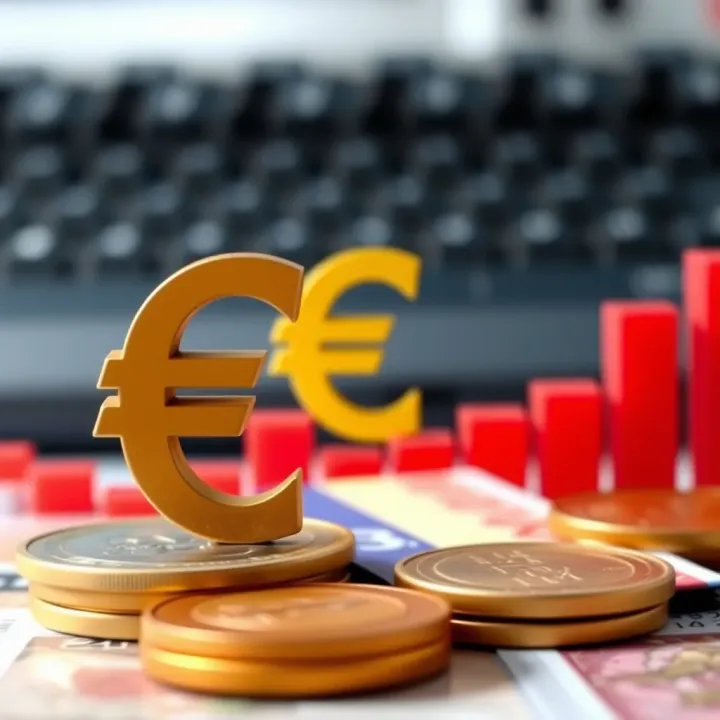
💶📈 Analizamos la subida del euro frente al peso colombiano y su impacto en la economía local, consumidores y sectores productivos en Colombia.
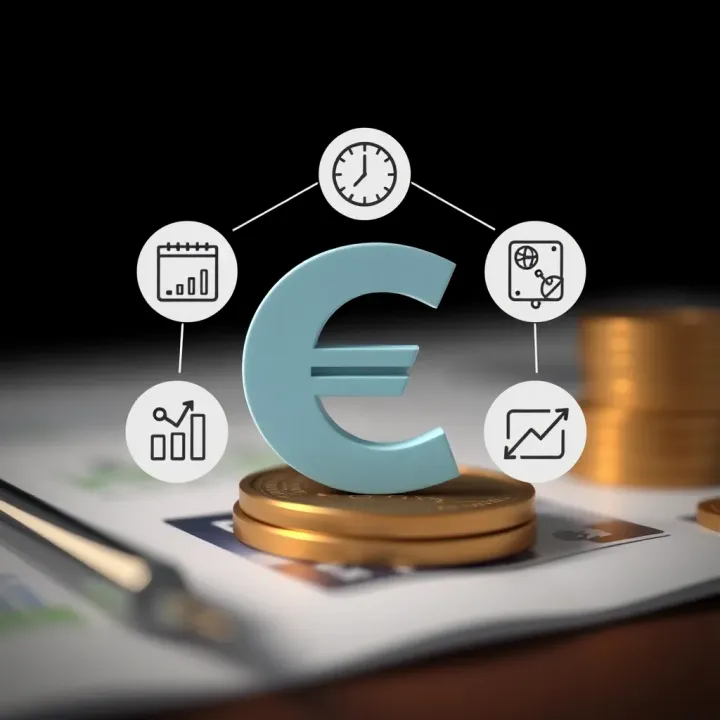
📊 Conozca cómo el precio del euro afecta a Colombia: factores clave, tendencias cambiarias y su impacto en comercio, turismo e inversiones. 🌍💰
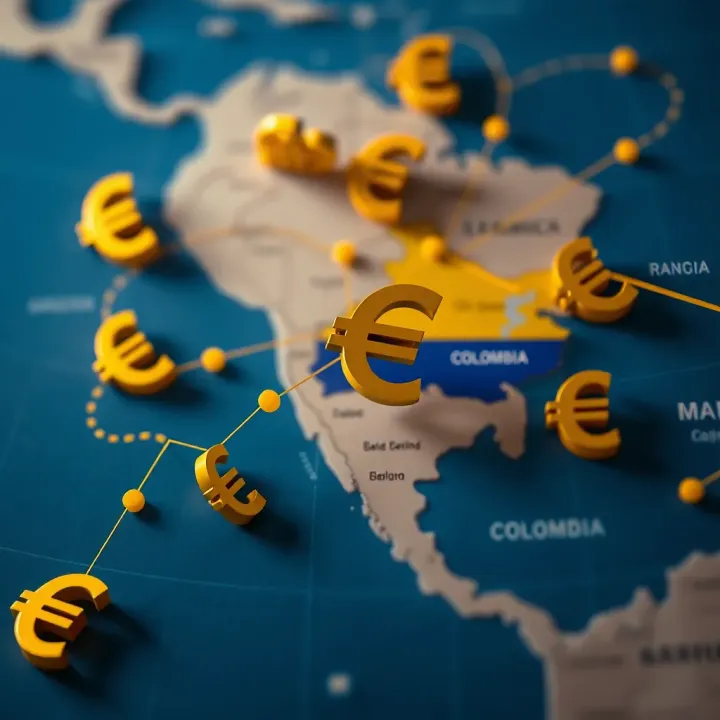
🌍 Analice cómo el euro influye en la economía global y mercados internacionales, con enfoque en Colombia y América Latina. Perspectivas económicas clave y factores políticos presentes.
Basado en 6 reseñas