
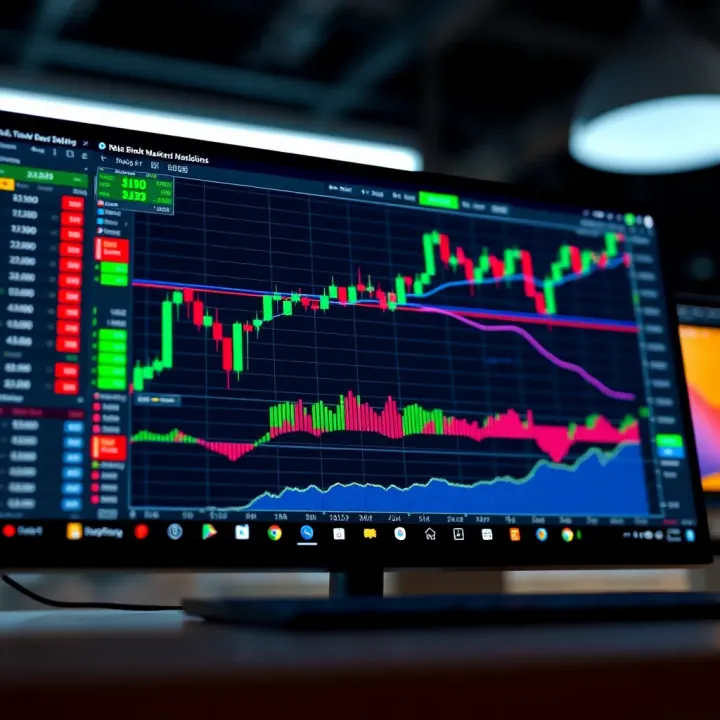
BlackBull Markets: Análisis Detallado del Bróker
📊 Descubre análisis completo de BlackBull Markets: historia, plataformas, regulaciones y todo sobre cuentas, depósitos, atención y seguridad en trading.
Editado por
Esteban Ramírez
Derivative trading involves contracts whose value depends on an underlying asset like stocks, commodities, currencies, or interest rates. These financial instruments include options, futures, swaps, and forwards. Understanding their mechanics is critical before diving into any trading strategy.
Derivatives are powerful tools because they allow you to hedge risk, speculate with leverage, or lock in prices. For example, an investor expecting oil prices to rise might buy oil futures contracts to profit if prices go up, without owning the physical commodity. Conversely, a farmer worried about falling prices may sell futures contracts to secure a guaranteed sale price.
Trading derivatives is not about predicting market moves perfectly but managing risk while positioning for potential gains.
Leverage: Derivatives often require less upfront capital than buying the asset outright, increasing potential gains and losses. Always consider how much leverage you’re comfortable with.
Expiration and Settlement: Many derivatives have set expiration dates and specific settlement procedures, like physical delivery or cash settlement. Knowing these details helps avoid surprises.
Volatility Impact: Options pricing depends heavily on market volatility. Traders who grasp volatility's role can better time their trades and adjust positions to changing market conditions.
Popular derivative trading methods include:
Hedging: Reduces exposure to price swings. For example, a tech stockholder might buy put options as insurance against a market drop.
Speculation: Traders bet on price movements, often using futures or options to amplify returns. This carries higher risk but can pay off if timed right.
Spreads: Combining multiple options to limit risk and cost, such as a bull call spread, which profits when prices rise moderately.
Derivative markets can react sharply to economic reports, interest rate changes, and geopolitical events. For instance, Fed announcements frequently create volatility spikes impacting futures and options volumes. Staying updated on these factors equips you to adjust strategies effectively.
Mastering derivatives means balancing potential rewards against risks, understanding contract details, and staying alert to market shifts. This foundation prepares you to explore specific strategies with confidence and precision.
Grasping the fundamentals of derivative instruments and how their markets work is the foundation for any trader aiming to succeed today. Knowing what derivatives are, how markets organize them, and who participates sheds light on both opportunities and risks. This understanding lets you pick strategies that fit your goals and market conditions without flying blind.
A futures contract is a standardized agreement to buy or sell an asset at a set price on a specific future date. These contracts trade on exchanges like the CME Group, which ensures transparency and liquidity. For example, an agricultural producer might use wheat futures to lock in a selling price before harvest. That way, if prices fall, they’re protected from losses. On the flip side, speculators might take a position expecting prices to rise or fall, hoping to profit from those moves.
Options give the buyer the right— but not the obligation—to buy or sell an asset at a strike price before expiration. Their flexibility appeals to many traders. For instance, an investor worried about a potential dip in a stock they own might buy a put option to hedge downside risk. Meanwhile, option sellers collect premiums but take on potential obligations. These contracts let you design strategies anywhere from conservative protection to aggressive bets on volatility.
Swaps and forwards are less standardized derivatives often traded over-the-counter (OTC). A swap might involve exchanging fixed-rate interest payments for floating rates between two parties, commonly used by companies looking to manage exposure to interest rate changes. Forwards are customized contracts to buy or sell assets at a future date but without the standardization or daily settlement of futures. These are tools for tailored risk management often used by corporations and institutional investors.
Derivative trading happens either on exchanges or OTC markets. Exchanges provide centralized platforms with standard contract terms, regulated rules, and guaranteed clearing — think of the Chicago Mercantile Exchange or NASDAQ OMX. This setup offers transparency and reduces counterparty risk. OTC markets, on the other hand, allow parties to customize terms but carry more risk since they lack centralized oversight. Banks and large institutions frequently use OTC to meet specific hedging needs.
Clearinghouses stand between buyers and sellers, acting as middlemen to ensure trades settle smoothly. They manage risk by requiring margin deposits and marking positions to market daily. This system protects traders if one side defaults, providing confidence and stability. For example, the Options Clearing Corporation safeguards billions in U.S. options trades by guaranteeing contract fulfillment — which, without it, would be risky to enter.
Derivative markets attract a mix of players with different goals. Hedgers seek to protect existing assets or liabilities—for instance, an airline locking in fuel prices to avoid budget surprises. Speculators look for profit by predicting price moves and taking on risk others want to avoid. Arbitrageurs spot price differences between related contracts to capture nearly risk-free profits. Understanding these motivations helps you anticipate market behavior and align your trading stance.
Knowing the types of derivatives and how markets function arms you with the context necessary for smarter decisions. It’s not just about what trade to make, but why and when it makes sense.
By mastering these basics, you’ll navigate derivatives with more confidence and avoid common pitfalls. This foundation is the first step toward building effective strategies that fit the fast-paced markets of today.
Core strategies are the backbone of effective derivative trading. These strategies help traders manage risks while seeking opportunities for profit. Without a solid grasp of core approaches like hedging and speculation, it’s easy to expose oneself to unnecessary losses or miss out on market moves.
Hedging is all about minimizing risk by offsetting potential losses in one position with gains in another. For example, a farmer expecting to harvest corn in three months might sell corn futures today to lock in a price, protecting against a possible price drop. This approach doesn’t seek profit but rather stability, which is crucial when markets turn volatile unexpectedly.
The practical value of hedging extends beyond agriculture. Investors holding large stock portfolios often use derivatives like futures or swaps to safeguard their investments against market downturns. By tying up a relatively small amount of capital in a derivative contract, they can protect multi-thousand-dollar positions without having to liquidate their holdings.
Options bring a flexible way to manage risk. Put options, in particular, allow traders to insure their assets. Say you own 1,000 shares of a technology stock worth $50 each. Buying put options with a $45 strike price gives you the right to sell those shares at $45 regardless of how low the stock dips. This cements a safety net while still letting you benefit if the stock price rises.
This downside protection suits investors who prefer to keep their positions but want a safeguard against sudden drops. Unlike futures, options limit your loss to the premium paid, making them attractive for managing risk without tying up large amounts of collateral.
Speculators aim to profit by predicting market movements. For instance, if you anticipate crude oil prices will climb, buying oil futures lets you lock in today’s prices, expecting to sell later at a higher rate. Options similarly let traders bet on price movements but with limited downside.
Directional trading demands market knowledge and a nose for timing. Because derivatives amplify exposure, profits (and losses) can stack up quickly. The bottom line? Be ready to act fast and manage position sizes carefully.
Volatility is a double-edged sword in derivative trading. Traders can use volatility itself as a tool rather than just a market condition. For example, when implied volatility is low, traders might buy options expecting volatility to surge, driving premium prices up and yielding profits when markets become choppy.
Conversely, sellers of options benefit when actual volatility stays low since premiums decay over time. Strategies like straddles or strangles help take advantage of anticipated big moves in either direction.
Core strategies balance risk and reward. Whether locking in prices, protecting existing holdings, or betting on market swings, understanding these methods sets you up for smarter trades.
Remember, success with derivatives grows from mastering these foundational techniques before layering on advanced tools.
Mastering advanced trading techniques and tools can give investors a solid edge in derivative markets. These strategies often involve complex setups that go beyond simple buy or sell orders, helping traders optimize risk and extract opportunities that others might miss. By understanding how to apply these tools effectively, you can design trades that respond better to market movements, volatility, and pricing inefficiencies.
Calendar Spreads offer a way to play differences in time among contracts. Essentially, you're buying and selling contracts of the same underlying asset but with different expiration dates. For example, you might buy a futures contract expiring three months from now and simultaneously sell one expiring next month. This strategy profits when the price difference between those months moves in your favor. Traders use calendar spreads to capitalize on expected changes in volatility or supply-demand shifts across different timeframes without exposing themselves to outright directional risk.
Intercommodity Spreads involve trading the price relationship between two related but distinct commodities. Imagine trading the price spread between crude oil and natural gas futures. If you believe that crude oil will rise relative to natural gas, you might buy oil futures and sell natural gas futures simultaneously. This strategy helps isolate price movements specific to one commodity while hedging general market trends. It's particularly useful in sectors like energy or agriculture, where related commodities often move in linked patterns but not always in sync.
Statistical Arbitrage relies on identifying temporary price misalignments between correlated assets through quantitative analysis. Instead of betting on market direction, traders exploit short-term divergences expecting them to revert to historical averages. For instance, if two semiconductor stocks usually move together but one suddenly drops, a statistical arbitrageur might buy the underperforming stock and short the outperforming one, banking on the gap to close. This tactic demands robust data, fast execution, and constant monitoring but can generate steady profits with reduced market exposure.
Understanding Delta, Gamma, Theta, and Vega is foundational for advanced options trading. Delta measures how much an option's price changes with the underlying asset, while Gamma tracks the rate of change of Delta itself. Theta quantifies time decay—the erosion of an option's value as expiration nears. Vega reveals sensitivity to volatility shifts. For example, if you hold an option with high Vega, a sudden increase in implied volatility could boost its value even without price movement in the underlying asset. Skilled traders balance these Greeks to construct positions that suit their market outlook or risk appetite.
Trading Volatility Skew and Smile involves exploiting the patterns in implied volatility across different strike prices. Typically, options with strike prices far from the current market tend to have higher implied volatility, forming a “smile.” This happens because investors demand extra premium for extreme price moves. The volatility skew shows asymmetry in this pattern, often caused by market sentiment or hedging hedging demand. Traders may position themselves to profit from shifts in skew by buying options where volatility seems undervalued and selling where it’s overpriced, fine-tuning risk exposure beyond simple direction bets.
Advanced techniques like these aren’t just for pros with massive capital. Even moderate investors can harness them to sharpen their derivative trading, balancing risk and reward in smarter ways.
By mastering these strategies and tools, you gain a deeper understanding of how derivative markets function beneath the surface. It's about reading subtle signals in pricing and market behavior that most overlook and responding with precision.
Navigating the derivatives market without solid risk management is like sailing a boat in a storm without a rudder. The sheer leverage involved in derivative contracts can magnify gains but also amplify losses quickly. That’s why setting clear limits and understanding the psychological hurdles are essential parts of successful trading. Managing risk protects your capital and keeps you in the game longer, allowing you to capitalize on opportunities with better confidence.
Stop-loss and take-profit orders act as your safety nets in the fast-moving derivatives world. A stop-loss order automatically closes your position when the price hits a predetermined level, limiting potential losses. For example, if you bought an option at $5 expecting a rise but want to cap the loss at $1 per contract, setting a stop-loss around $4 ensures you don’t bleed more than that. Take-profit orders work in reverse, closing your position to lock in gains once the price reaches your target. This hands-off approach is invaluable in volatile markets where prices can swing wildly, preventing emotional decisions under pressure.
The size of your positions directly influences how much risk you take on any trade. Practicing smart position sizing means allocating a sensible percent of your capital to each trade, often 1% to 3%, depending on your risk tolerance and strategy. For instance, risking 2% of a $50,000 account equates to $1,000 per trade. If a stop-loss is set at 10% below the entry price, you’d buy contracts accordingly to not exceed that $1,000 risk. Over-sizing can drain an account quickly, while too conservative sizing might limit profits. Finding the right balance means you can absorb losses without panic and stay engaged for future trades.
Emotions tend to run high in derivatives trading, given the volatile price moves and leverage. Fear and greed can push traders to make impulsive choices—either holding losing positions too long hoping they'll reverse or exiting winners prematurely out of panic. Staying disciplined means sticking to your trading plan and predefined exit points, no matter how tempting a second guess feels. Imagine a trader repeatedly adding to a losing options position just because they can’t face the loss; that’s a recipe for disaster rather than opportunity.
Markets don’t stay the same, and neither should your strategy. Flexibility to adjust tactics based on volatility, trend strength, or macroeconomic news can distinguish successful derivatives traders from the rest. If, say, implied volatility spikes unexpectedly, shifting from directional plays to volatility-based strategies might reduce risk and capitalize on price swings. Similarly, recognizing when markets are choppy versus trending lets you decide whether to lean on spreads, hedging, or outright speculation. This adaptability ensures you’re not stuck in rigid patterns but responsive to changing conditions that impact derivative pricing and risk.
The bottom line is that risk management and mindset shape your long-term success far more than any single trade. By setting smart limits, sizing positions wisely, controlling emotions, and staying flexible, you navigate derivatives markets with real edge and resilience.
📊 Descubre análisis completo de BlackBull Markets: historia, plataformas, regulaciones y todo sobre cuentas, depósitos, atención y seguridad en trading.
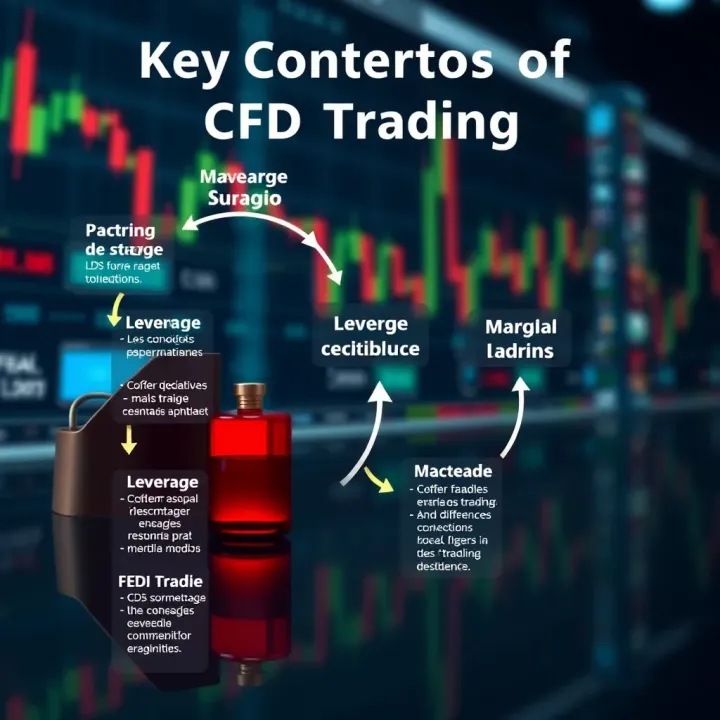
📈 Aprende todo sobre el trading de CFDs: conceptos esenciales, riesgos, ventajas, estrategias efectivas y normativa para operar con seguridad y confianza.
📱 Descubre cómo funcionan las aplicaciones de trading, tipos, seguridad y trucos para elegir tu plataforma ideal y operar con éxito en mercados financieros.
📈 Descubre cómo invertir con seguridad en Quotex desde Colombia 🇨🇴: operaciones, activos, ventajas y riesgos para maximizar tus ganancias trading online.
Basado en 8 reseñas