

Opciones Q: Conceptos y usos prácticos en Colombia
📊 Descubre cómo las opciones Q ayudan a inversionistas colombianos a tomar decisiones estratégicas en escenarios futuros e incertidumbre financiera con ejemplos claros.
Editado por
Esteban Castillo
The base price of gold refers to the fundamental rate at which gold is valued on any given day. It's the starting point that jewelers, traders, and investors use to determine the buying and selling price in the marketplace. This number isn't pulled out of thin air — it's shaped by several real-world forces and market conditions.
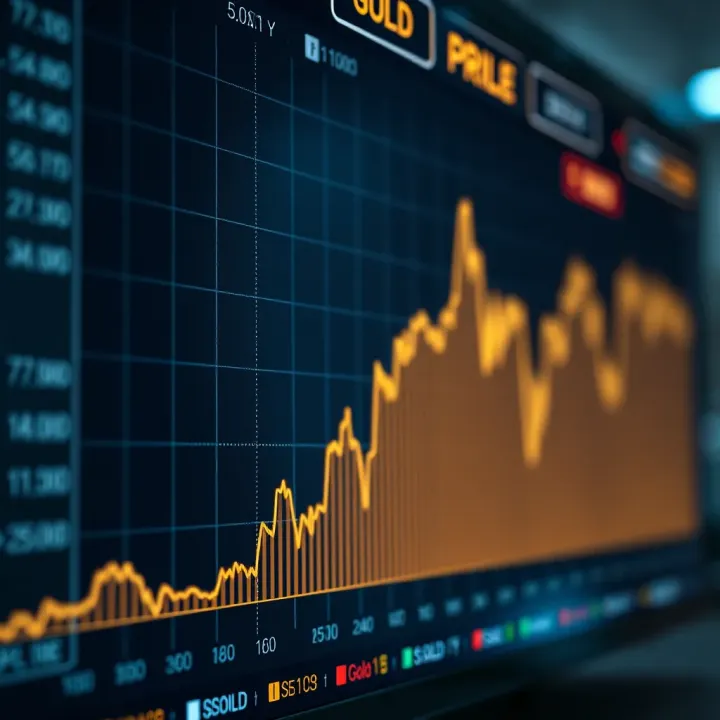
Gold prices are primarily driven by the spot price, which is determined on international exchanges like the London Bullion Market and COMEX in New York. This spot price reflects real-time demand and supply, geopolitical stability, currency fluctuations, and economic factors.
Here's a practical example: if the U.S. dollar weakens, gold often sees its price rise because it becomes cheaper for holders of other currencies. Conversely, strength in the dollar usually pushes gold prices down.
Economic Indicators: Inflation rates, interest rates, and employment data influence investor confidence, affecting gold demand.
Political Tensions: Uncertainty like trade disputes or conflicts can increase gold’s appeal as a safe haven.
Market Speculation: Traders’ beliefs on upcoming events lead to price swings.
For investors, the base price helps judge whether gold is currently cheap or expensive relative to historical levels. Jewelers use it to set retail prices, factoring in craftsmanship and overhead costs.
Keep in mind: The base price is just the starting figure. Additional charges apply when you buy gold bars, coins, or jewelry.
To make smart choices, you need reliable sources. Check real-time gold rates through financial news platforms like CNBC or Bloomberg, or use market apps that pull live exchange data.
Understanding what drives the base price of gold helps you navigate the market better, whether you're investing or planning to buy. It’s not just a number—it's a reflection of global economic health and market moods, giving you clues on when to jump in or hold back.
The base price of gold serves as the foundational figure from which all gold transaction prices emerge. For investors, traders, and financial professionals, understanding this number is more than just a matter of curiosity—it’s essential for making informed decisions about buying, selling, or holding gold. The base price reflects the current market value of pure gold, setting the stage for premiums, taxes, and local market variations added by dealers.
For instance, when a jeweler quotes a price for a gold necklace, that price is calculated starting from the base price of gold that day. Tracking this base price helps you pinpoint if the final cost is fair or inflated. Essentially, it’s the anchor in the often-fluctuating gold market.
The spot price is the current market price at which one ounce of gold can be bought or sold for immediate delivery. It’s essentially the real-time value on global exchanges. The base price is closely linked to the spot price but often tailored to a specific market or region. Simply put, the base price is the standard price used by retailers and wholesalers within a given locality, often adjusted from the raw spot price.
Take New York’s market as an example. The spot price might be $1,980 per ounce at 10:00 AM EST. A local dealer might list the base price at $1,985 after factoring in exchange fees and local market demand. This slight difference illustrates why distinguishing these terms matters when you compare prices across sellers or time frames.
Several factors shape the listed base price beyond the raw spot price. These include daily fluctuations on major exchanges, currency exchange rates, and the cost of financing gold commodities. For example, if the dollar weakens against other currencies, it typically pushes the base price of gold higher because gold becomes more expensive in dollar terms.
Furthermore, transaction costs, such as insurance and storage, subtly impact the base price. These feed into the overall expense of bringing gold from the mine or refinery to your hands. Understanding these influences can help investors anticipate price movements or better evaluate offers.
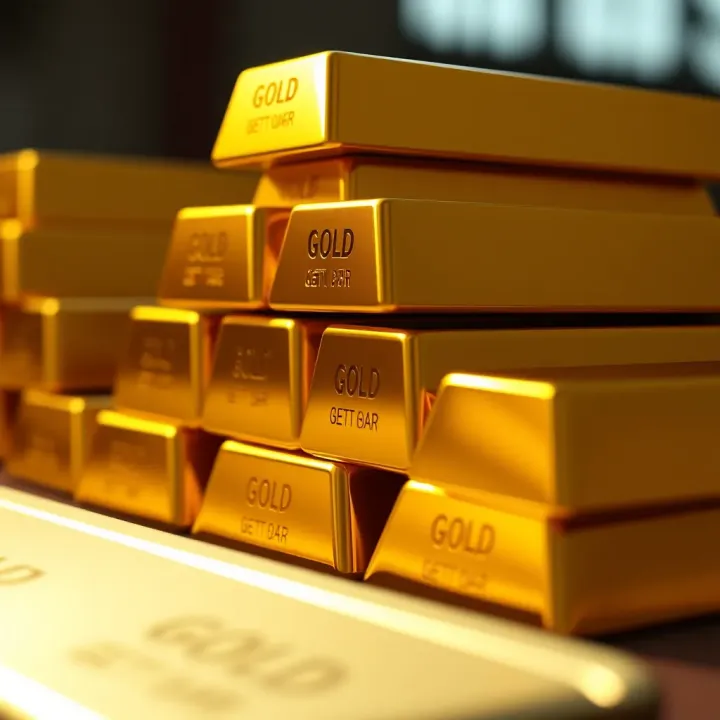
Major exchanges such as the London Bullion Market Association (LBMA) and the New York Mercantile Exchange (NYMEX) set the benchmark spot prices through active trading minutes to minutes. These exchanges provide transparency and liquidity, allowing the base price to realistically mirror supply and demand worldwide.
If turmoil hits a major gold-producing country, traders on these exchanges react quickly, adjusting prices up or down. This real-time price discovery makes the base price a reliable snapshot of global economic sentiment related to gold.
While global exchanges pave the way, the base price also adjusts locally. These tweaks account for taxes, import duties, transportation costs, and even regional demand. For example, on a day when import tariffs rise in the U.S., American dealers might increase the base price slightly to cover new costs.
Similarly, demand surges—say during a festival where jewelry purchases spike—can push local base prices above the global reference point. These regional variations mean that the base price you see is a blend of global market cues and local realities.
Always keep in mind that the listed base price is not just a number plucked from thin air. It’s a dynamic figure influenced by worldwide market shifts and local economic factors alike, helping you understand the true cost of gold today.
Several key factors come into play when understanding the current base price of gold. This price isn't pulled out of thin air; it reflects a mix of economic indicators, supply and demand, and the global political climate. Knowing what influences gold prices can help investors and traders make better calls.
Inflation can heavily sway gold prices. When inflation rises, the purchasing power of cash drops, pushing investors toward gold as a way to protect their wealth. For example, during periods when inflation hits above 3%, gold often sees increased buying as a hedge. Conversely, higher interest rates usually make other investments more attractive compared to gold, which doesn’t yield interest. That’s why, when the Federal Reserve raises rates, gold prices sometimes slip because investors chase bonds or savings accounts.
Since gold is priced in U.S. dollars globally, changes in the dollar's strength directly affect gold prices. If the dollar weakens against other currencies, gold tends to become cheaper for international buyers, pushing demand up and prices higher. Say the dollar drops 2% against the euro; European investors might jump on gold as a bargain, nudging the price upward. On the flip side, a stronger dollar often cools gold demand because it gets pricier for other currencies.
Gold's supply mainly hinges on mining output and existing reserves. When mines face production cuts—due to strikes, regulatory hurdles, or depleted deposits—the available gold tightens. That limited supply can push the base price higher. For instance, a major mine shutdown in South Africa in 2023 caused noticeable price upticks as supply fears set in. Alternatively, new discoveries or more efficient extraction techniques can put downward pressure on prices.
Demand for gold isn’t just about investment. Jewelry remains a significant driver, particularly in countries like India and China where gold holds cultural importance. A spike in wedding seasons or festivals can push demand—and prices—up temporarily. Industrial uses, although smaller in volume, also add to the mix. Electronics manufacturers using gold for circuit boards can influence demand patterns, especially if tech sectors are booming.
Gold often acts like a safety net when uncertainties rock the markets. During political upheavals—like sudden election surprises or conflicts—investors frequently flock to gold, seeking stability. For example, during the 2022 Ukraine crisis, gold prices jumped as markets grew jittery. It’s no surprise since gold doesn’t come with counterparty risk like stocks or bonds.
Investor mood plays a big role too. Speculators betting on gold can cause rapid price swings. When headlines predict economic trouble, traders might buy gold futures aggressively, driving prices up. Conversely, when confidence returns, some cash out quickly, leading to sharp drops. Understanding this behavior helps you anticipate short-term price volatility.
The bottom line is that gold’s base price reflects a dynamic mix of economic signals, supply-demand shifts, and global confidence levels. Keeping an eye on these factors can give you an edge whether you're buying, selling, or holding gold.
Understanding the base price of gold is essential for anyone involved in buying or investing in gold. This price serves as a benchmark, but the actual cost for consumers and investors often depends on several additional factors. Knowing how these elements interact can save money and guide better decisions.
When you buy gold jewelry or bullion, the price you pay usually exceeds the base price. This difference, known as a premium, covers manufacturing costs, craftsmanship, and dealer margins. For example, a 1-ounce gold coin may have a base price of $2,000 but be sold for $2,100 or more, depending on the coin's rarity and demand. Recognizing this premium helps buyers avoid overpaying and spot fair deals.
Taxes and fees add another layer to the final price. These vary widely depending on your location. Some states charge sales tax on gold purchases, while others exempt investment-grade bullion. Additionally, import duties, certification fees, or dealer service charges might apply. For instance, purchasing gold in New York could include an 8.875% sales tax on jewelry but might be tax-free if buying bullion classified as an investment. Knowing these specifics ensures you're not caught off guard by extra costs.
Investors watch the base price closely to time buying or selling gold. Since premiums and fees fluctuate less than the base price, using it as a reference helps identify when gold is relatively cheap or expensive. For example, if the base price drops but premiums stay stable, buyers might find better investment opportunities. Conversely, a rising base price could signal a selling point to lock in gains.
Base price trends reveal gold's investment potential over time. Short-term spikes might reflect market jitters, while long-term patterns often indicate economic shifts like inflation or monetary policy changes. Investors who focus on sustained increases tend to avoid knee-jerk reactions to temporary dips or surges. For example, after the 2008 financial crisis, gold showed steady growth over several years, benefiting patient investors.
Bottom line: Understanding how base gold prices translate into real costs and investment strategy can improve your decision-making and financial outcomes.
Keeping an eye on accurate and current gold prices is essential for investors, traders, and anyone making financial decisions involving gold. The gold market moves fast, influenced by global events, economic reports, and market sentiment. Knowing where to find trustworthy data helps you react quickly and avoid costly mistakes.
The LBMA oversees the global wholesale gold market. It publishes the LBMA Gold Price twice daily, reflecting real-time supply and demand from major bullion banks and traders. This price acts as a global benchmark, widely used by refiners, banks, and investors to assess gold’s value. If you’re investing in physical gold or ETFs, the LBMA price provides a solid reference.
NYMEX, part of CME Group, manages futures contracts for gold, offering a way to lock in prices before buying or selling. These futures prices reflect market expectations and often lead cash prices. Traders watch NYMEX closely to gauge sentiment and forecast price movements. For US-based investors, the NYMEX gold futures price is a crucial indicator of market trends and volatility.
Mobile apps bring updated gold prices directly to your phone, perfect for checking prices anytime, anywhere. Many apps offer live price feeds, alerts for price changes, and historical charts, making it easier to spot trends or confirm a good buying moment. Apps like Kitco, Investing.com, and Bloomberg provide reliable data with user-friendly interfaces geared toward investors.
Not all sources are created equal. It’s important to rely on platforms with transparent data, reputable market access, and quick updates. Verified exchanges or financial news sites reduce the risk of outdated or manipulated prices. Cross-referencing prices from the LBMA, NYMEX, and respected financial outlets helps ensure that you’re basing decisions on trustworthy information.
The bottom line is that your success depends partly on where you get your gold prices. Stick to major exchanges and well-established financial platforms to avoid surprises and make smarter moves.
In short, combining official exchange prices with real-time app updates offers a balanced toolkit. That way, you stay informed, react to market changes promptly, and keep your investment strategy sharp and grounded in reliable data.
📊 Descubre cómo las opciones Q ayudan a inversionistas colombianos a tomar decisiones estratégicas en escenarios futuros e incertidumbre financiera con ejemplos claros.
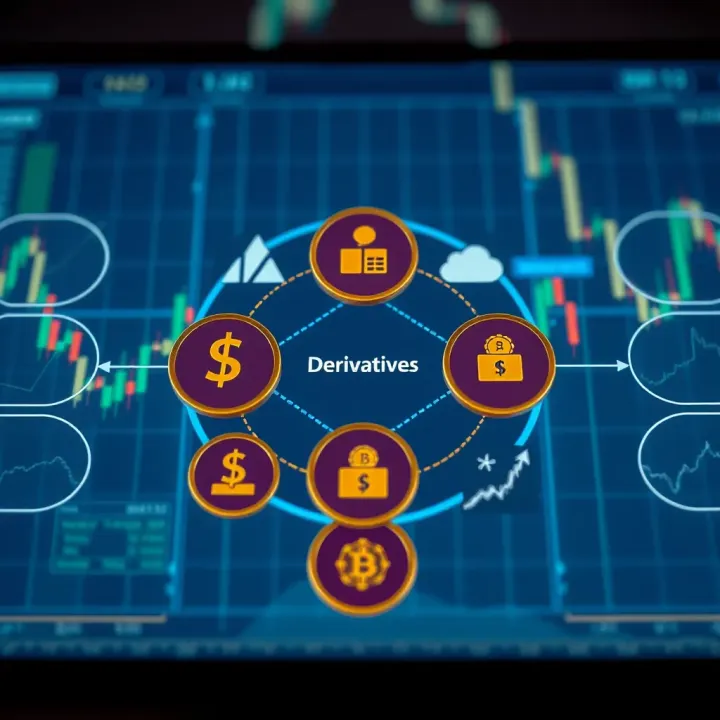
🌐 Aprende sobre trading de derivados: conceptos, estrategias efectivas y cómo manejar riesgos financieros para tomar decisiones más informadas y seguras en el mercado.
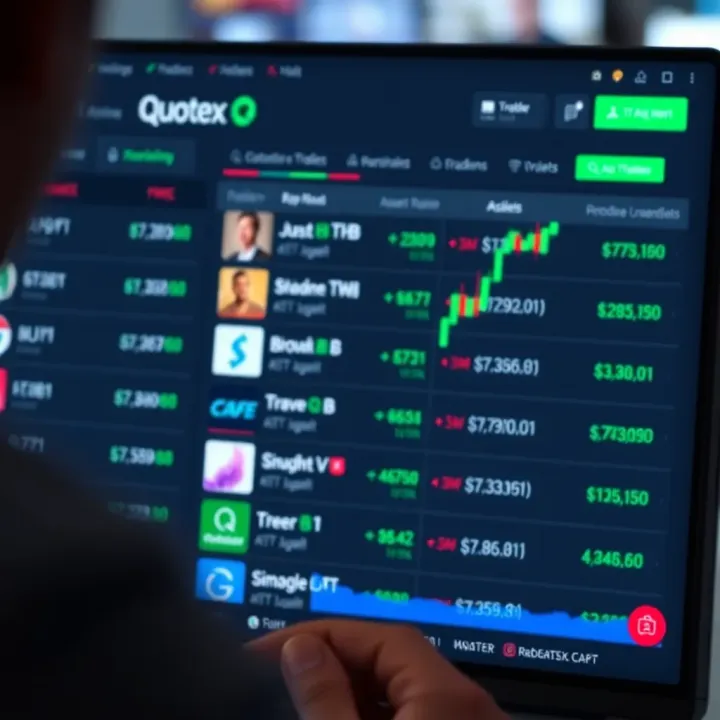
📈 Descubre cómo invertir con seguridad en Quotex desde Colombia 🇨🇴: operaciones, activos, ventajas y riesgos para maximizar tus ganancias trading online.
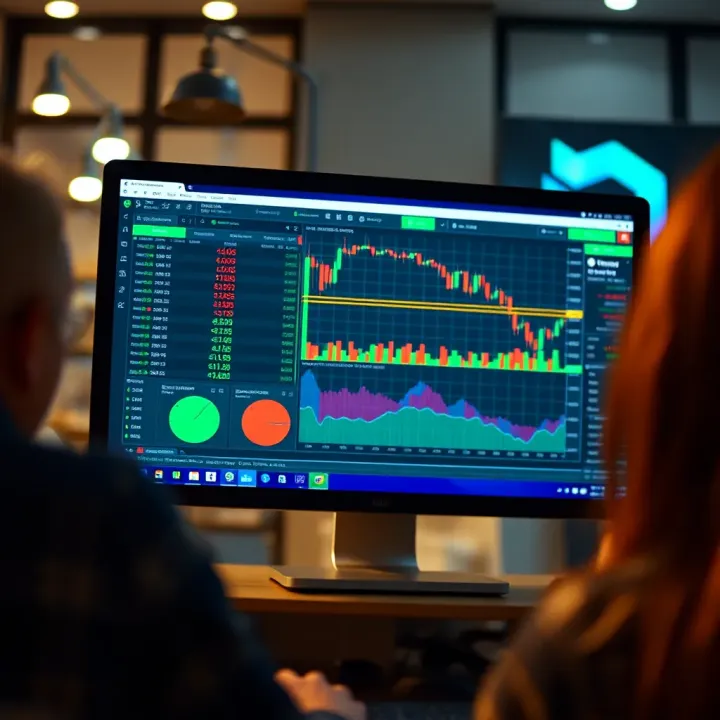
📈 Aprende a usar TradingView para mejorar tu análisis financiero en Colombia. Descubre cómo integrarlo en tu estrategia y sacarle todo el provecho posible.
Basado en 13 reseñas