

Evolución del euro frente al peso colombiano
📈 Descubre cómo evoluciona el euro frente al peso colombiano, factores clave, estrategias para manejar riesgos cambiarios y tomar decisiones acertadas en Colombia.
Editado por
Carlos Méndez
The value of one US dollar (USD) in Colombian pesos (COP) fluctuates daily based on numerous economic and political factors. As of mid-2024, the exchange rate typically hovers between 4,000 and 5,000 COP per USD, though this can shift quickly due to market changes. For investors, traders, or businesses working with these currencies, understanding these movements is key.

Oil Prices: Colombia’s economy leans heavily on oil exports. When oil prices rise, the peso generally strengthens because export revenues increase. When oil sinks, the peso tends to weaken against the dollar.
Interest Rates: The U.S. Federal Reserve's rate decisions can affect capital flows. Higher rates in the U.S. often attract investment dollars, boosting the USD against emerging market currencies like the peso.
Domestic Stability: Political events and economic policies in Colombia influence currency confidence. For example, uncertainty about tax reforms or social unrest can push the peso lower.
Global Sentiment: In times of global risk, the USD often acts as a safe haven, strengthening against riskier assets, including the Colombian peso.
When dealing with currency conversion:
Real-Time Rates Matter: Use reliable platforms like XE or Bloomberg for up-to-the-minute exchange rates.
Transaction Costs Vary: Banks and exchange bureaus may charge spread fees. For businesses handling large sums, negotiating rates with financial institutions can save thousands.
Consider Timing: If you expect the peso to weaken, it might be worth locking in a rate with forward contracts or options, tools available in financial markets to hedge currency risk.
Say a company based in the U.S. imports goods priced at 10 million COP. At a rate of 4,500 COP per USD, the cost is about $2,222. If the peso weakens to 4,800 COP per USD, the same goods would cost about $2,083. That difference adds up quickly and can affect profit margins.
Understanding what moves the USD/COP rate helps you avoid surprises and take advantage of market opportunities.
In short, paying attention to international trends and Colombia’s economic outlook can give you an edge when handling dollar to peso conversions.
Grasping the exchange rate between the US dollar (USD) and the Colombian peso (COP) is essential for anyone involved in international trade, investment, or travel between these two countries. This rate directly impacts how much value a dollar holds in Colombia, influencing purchasing power, profit margins, and financial planning for businesses and individuals alike.
For example, a Colombian exporter pricing goods in pesos but receiving payments in dollars needs to understand the exchange rate fluctuations to protect profits. Similarly, travelers from the US benefit from knowing the rate to budget their trips more effectively.
At its core, the exchange rate depends on supply and demand for each currency. If more investors want to buy Colombian pesos with US dollars, the peso strengthens relative to the dollar. Conversely, if dollars flood the market because Colombian businesses convert profits back into USD, the peso weakens.
Take an example of a US-based company buying coffee beans from Colombia. If coffee demand spikes, more dollars flow to Colombia, increasing demand for pesos, which can push the exchange rate higher.
Economic signals such as inflation rates, GDP growth, employment numbers, and trade balances influence investor confidence in both currencies. For instance, if Colombia reports higher inflation but steady GDP growth, it might suggest weakening purchasing power but a stable economy, causing mixed impacts on the peso's value.
On the other hand, US Federal Reserve interest rate changes affect the dollar’s strength. An increase in US rates often attracts capital flows to the dollar, boosting its value against emerging market currencies like the peso.
Governments or central banks can sway exchange rates by intervening directly in forex markets or through monetary policies. Colombia's central bank occasionally steps in to stabilize sharp peso fluctuations, smoothing out sudden shocks.
For example, if the Colombian peso is dropping too fast, the central bank might sell foreign reserves to buy pesos, supporting its value. Meanwhile, trade policies or tariffs between the US and Colombia can also influence currency demand indirectly.
Forex markets operate 24/5, which means the USD to COP rate constantly shifts during business days. Exchange rates react instantly to news, economic reports, and trading activities.
So when you're checking the rate to make a currency exchange or set prices, the rate you see in the morning might differ by afternoon. Day traders and businesses keep a close eye on these daily moves.
Global happenings like oil price swings, US economic data releases, or geopolitical tension can cause sudden shifts in the USD/COP rate. Since Colombia’s economy depends heavily on oil exports, a plunge in crude prices often weakens the peso.
Similarly, a strong US jobs report might boost the dollar and make the peso cheaper by comparison. Being aware of these external factors helps investors and businesses anticipate rate changes.
Online forex platforms, used by banks, traders, and investors, provide real-time USD to COP rates. These platforms aggregate supply and demand data, reflecting the latest currency valuations.
For market participants, using reliable forex services means accessing accurate rates, which is crucial for timing transactions and managing currency risk. Apps like MetaTrader or Bloomberg Terminal are popular tools among financial professionals.
Understanding the mechanics behind the USD to COP exchange rate empowers you to make smarter financial decisions, whether you're hedging risk, investing, or planning travel budgets.
Understanding the current value and historical trends of the Colombian peso against the US dollar is essential for investors, traders, and financial analysts aiming to make informed decisions. Exchange rates reflect economic health, influence cross-border trade, and impact profit margins for businesses handling currency conversion. Being aware of recent behavior and long-term patterns helps anticipate potential risks and opportunities.
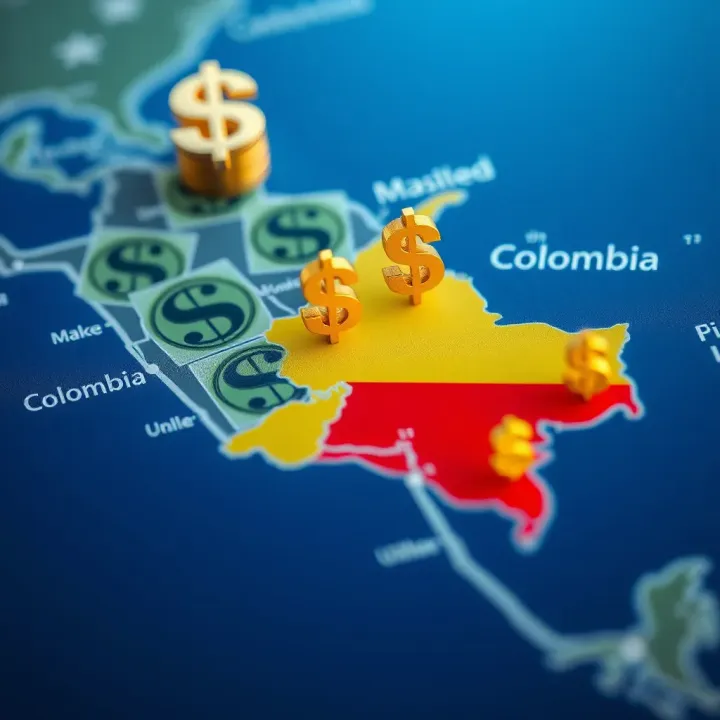
As of mid-2024, the exchange rate hovers around 4,000 to 4,200 Colombian pesos per US dollar. This range fluctuates daily based on market conditions. For up-to-date figures, reliable sources include Bloomberg, Reuters, and Colombia’s Central Bank website. These platforms offer live exchange monitoring and historical charts, crucial for gauging the peso’s strength in real time.
Recent months have seen the peso trading mostly between 3,900 and 4,300 COP per USD, reflecting moderate volatility. External factors, such as shifts in oil prices—Colombia’s top export—often trigger fluctuations within this band. For example, a sudden plunge in crude prices in late 2023 lowered demand for the peso, causing its value to slip briefly. Understanding these swings helps traders avoid mistimed currency exchanges or speculative losses.
Over the last ten years, the Colombian peso has generally depreciated against the dollar, moving from roughly 1,800 COP/USD in 2014 to over 4,000 today. This weakening trend correlates with global oil market cycles and domestic economic challenges. For instance, during the 2014-2016 oil price crash, the peso dropped sharply, signaling Colombia’s dependence on oil revenues.
Key events like Colombia’s 2014 oil crisis, the 2020 COVID-19 pandemic, and political uncertainties have caused abrupt currency movements. In early 2020, pandemic-related market turmoil spiked demand for safe-haven assets like the dollar, pushing the peso down quickly. Similarly, electoral periods have sometimes introduced short-term volatility as investors weigh policy risks.
Colombia’s inflation rates, averaging around 4-5% annually in recent years, eat into the peso’s value, reducing purchasing power. When inflation accelerates, the central bank may adjust interest rates to stabilize the currency. For example, a sudden rise in inflation typically prompts tighter monetary policy, which can temporarily support the peso against the dollar. Investors tracking inflation trends can better anticipate these currency adjustments.
Keeping an eye on both recent rates and historical trends equips you to understand the broader economic forces at play and their direct impact on the peso-dollar exchange rate.
Navigating currency exchange between US dollars and Colombian pesos can feel tricky, especially with fluctuating rates and different conversion options. Whether you're a traveler planning a trip to Colombia or a business handling international transactions, understanding the best ways to convert your money and when to do it can save you a lot of hassle and cash. This section breaks down smart strategies to maximize the value of your dollars when turning them into pesos.
Banks generally offer more reliable and fair exchange rates compared to independent currency exchange offices, which often include additional fees or less favorable rates to boost their profits. For example, if you show up at a Colombian bank branch like Bancolombia or Davivienda with dollars, you'll likely get close to the official exchange rate minus a small fee. Currency exchange kiosks in tourist spots or airports might appear convenient but could charge fees up to 5% or more on top of the rate difference.
That said, if you're in a pinch or outside banking hours, licensed exchange offices in cities like Bogotá or Medellín can be useful. Just be sure to compare rates before doing any swapping and watch out for any hidden commissions.
Banks and exchange offices often advertise attractive rates but tack on extra charges that aren't immediately obvious. Avoid exchanging money at airport kiosks unless necessary — their margins tend to be steep. Also, watch out for rates advertised as "better" but that include a flat fee or percentage surcharge. For instance, an exchange office might say the rate is 4,000 COP per dollar but charge a $10 fee on transactions under $500, making it more expensive overall.
To dodge these pitfalls, it helps to plan and exchange cash in larger chunks and use sources that clearly state the rates and fees upfront. That way, you avoid surprises and get the best bang for your buck.
Using ATMs abroad is generally a straightforward way to get pesos, often at competitive rates. Colombian ATMs typically accept major cards like Visa and Mastercard, but your bank back home may charge foreign transaction or withdrawal fees. For example, if Chase charges $5 per withdrawal plus 3% foreign transaction fees, small ATM withdrawals could add up fast.
Credit cards are widely accepted in Colombian cities, especially for hotels, restaurants, and shopping. Using a credit card can protect you from carrying too much cash and often offers good exchange rates sans cash advance fees. However, some local vendors might still prefer cash, so carrying some pesos is smart.
Exchange rates between the US dollar and Colombian peso can swing daily based on global events and local economic news. If you’re not in urgent need, keeping an eye on the rate can help you pick a better day to exchange money. For example, if the peso weakens against the dollar due to a dip in oil prices (Colombia’s major export), your dollars stretch further.
This approach matters a lot for businesses planning budget forecasts or travelers converting large sums. Watching for rate dips can save hundreds of dollars.
Currency rates often move in cycles tied to economic releases, political events, or harvest seasons affecting Colombia's exports like coffee and oil. These cycles aren't always predictable but knowing when major announcements happen—such as Federal Reserve interest rate decisions or Colombian central bank statements—can help anticipate currency movements.
For instance, many traders notice increased volatility around Colombia’s quarterly GDP reports. Recognizing these cycles promotes smarter timing for currency exchanges.
Several reliable apps and websites offer live updates on the dollar-peso exchange rate, letting you track trends without guesswork. Tools like XE Currency, OANDA, and Investing.com give alerts when rates hit your target.
Businesses use these tools to set automated buy orders or hedge risks, while travelers benefit by locking in good rates before their trip. Setting rate alerts can mean the difference between exchanging at 4,200 COP per dollar or 4,000 COP—significantly affecting your purchasing power.
Knowing how and when to exchange currency is about more than just rates—it's about managing risk, saving money, and planning ahead. Whether you’re paying for coffee in Bogotá or invoicing across borders, these practical tips can help you make savvy choices with your dollars and pesos.
Colombia's peso often moves in line with its major exports, particularly oil and coffee. When global oil prices rise, Colombia earns more dollars from its crude exports, which usually boosts demand for the peso. For example, a spike in oil prices during early 2023 gave the peso some breathing room against the dollar. Similarly, coffee — one of Colombia's largest agricultural exports — affects foreign exchange flows. If a drought or pest outbreak hits coffee production, reduced exports can weaken the peso as fewer dollars flow into the economy.
Understanding these links helps traders and investors anticipate peso movements by monitoring commodity prices. If you're handling currency conversion tied to Colombian business revenues or expenses, keeping an eye on oil and coffee markets can pay off.
Political events in Colombia play a strong role in shaping the peso’s value. Stability tends to attract foreign investment, which supports the peso by increasing demand. Conversely, political unrest or controversial policy shifts can spook investors, causing capital flight and peso depreciation.
Take the 2022 presidential elections: uncertainty led to short-term peso weakness as investors waited to see the new government’s direction. For people involved in dollar-peso trading or businesses planning investments, watching political headlines is key. Solid investor confidence usually signals more stable exchange rates, while political turbulence may raise volatility.
Inflation levels in Colombia directly pressure the peso’s purchasing power. When inflation rises faster than wages or interest rates fail to keep up, the peso can lose value against the dollar. Colombia’s central bank frequently adjusts interest rates to manage inflation and signal economic health.
For a recent example, mid-2023 saw the central bank hike rates to over 12% to combat inflation, temporarily strengthening the peso by making Colombian assets more attractive. If you're managing budgets or forecasting exchange costs, tracking inflation and interest rate trends will provide a clearer picture of future peso strength.
The US dollar's strength heavily influences the peso-dollar rate. When the Federal Reserve raises interest rates, the dollar often gains strength as investors chase higher returns. This usually means the peso weakens because more dollars flow back to US markets.
For example, the Fed's rate hikes throughout 2022 pushed the dollar up against many currencies, including the peso. Traders and businesses dealing with Colombian pesos should monitor Fed announcements closely since these moves can quickly affect exchange costs and investment returns.
Trade dynamics between the US and Colombia shape currency demand on both sides. Strong US demand for Colombian goods — like coffee, oil, and manufactured products — brings more dollars into Colombia, supporting the peso. Conversely, trade disruptions or tariffs can reduce these flows.
The US-Colombia Trade Promotion Agreement, active since 2012, has generally strengthened bilateral trade, providing a steady dollar inflow. Businesses involved in cross-border trade should consider how shifts in these agreements or tariffs might impact exchange rates, costs, and profitability down the line.
Keeping an eye on both Colombia's economy and the broader US financial environment is crucial for anyone working with the dollar-peso exchange. Understanding these economic factors provides better foresight and helps in making smarter trading, budgeting, and investment decisions.
Predicting how the US dollar will perform against the Colombian peso is more than just an academic exercise. For investors, traders, and businesses, these forecasts guide everything from budgeting to risk management. Knowing what might lie ahead helps you avoid nasty surprises and potentially seize opportunities when rates move in your favor.
Economic indicators like Colombia's GDP growth, inflation rates, and export numbers influence the peso's strength. For instance, if Colombia reports stronger coffee exports than expected, the peso could gain value because of increased foreign currency inflow. On the flip side, a rise in inflation without corresponding wage increases could weaken the peso. Similarly, US economic data such as employment figures or Fed interest rate announcements can boost or pull down the dollar.
Staying updated on the calendar of these releases allows investors and traders to anticipate volatility. For example, a sharp change in the Fed's policy can send the dollar surging, pushing the peso down against the dollar. So, tuning into reliable sources like Bloomberg or the Financial Times for these economic updates is key to making informed decisions.
Politics have a way of throwing curveballs at currency values. In Colombia, elections, changes in fiscal policy, or protests related to reforms can stir investor uncertainty, leading to peso depreciation. For instance, a government signaling heavier taxation on key exports like oil might spook markets, causing the peso to drop.
On the US side, trade negotiations, sanctions, or legislative shifts impact the dollar's appeal. A trade deal that favors Colombian exports could strengthen the peso. Conversely, stricter import tariffs might boost the dollar but hurt Colombia’s currency. Political instability or uncertainty generally raises caution among investors, often making currencies more volatile. Businesses must keep an eye on political news to anticipate how these developments could affect exchange rates.
Hedging helps businesses lock in exchange rates to avoid the risk of sudden losses when rates swing. Forward contracts allow companies to fix a rate today for currency purchases or sales down the road. For example, an importer expecting to pay $100,000 in Colombian pesos three months from now can set a fixed rate through a forward contract, guarding against potential peso depreciation.
These instruments aren't just theoretical; many US companies with supply chains in Colombia actively use them to stabilize costs. While there are fees involved, the certainty provided often outweighs potential market ups and downs, making them practical tools for managing financial risk.
Budgeting without considering exchange rate swings is like sailing without a compass. Companies should build flexibility into their financial plans, possibly adding a buffer to account for unfavourable movements. If a business expects to convert a large amount of pesos to dollars quarterly, estimating potential worst-case scenarios helps avoid cash flow crises.
Regularly updating these projections when major economic or political events occur keeps plans realistic. For example, after major Fed announcements or Colombian elections, revising forecasts and hedging strategies might be necessary. The bottom line is, proactively preparing for volatility saves headaches and preserves margins.
Forecasting exchange rates isn’t about perfect prediction—it’s about better preparation. Keeping an eye on key indicators and using financial tools can help you stay ahead in a volatile market.
📈 Descubre cómo evoluciona el euro frente al peso colombiano, factores clave, estrategias para manejar riesgos cambiarios y tomar decisiones acertadas en Colombia.
🔍 Aprende a convertir dólar australiano (AUD) a peso colombiano (COP) con consejos prácticos y datos clave para hacer tus cambios de divisas de forma segura y eficiente.
💰 Descubre cómo la economía nacional e internacional influye en el dólar y qué variables observar para anticipar sus cambios frente al peso colombiano. 📊

📊 Descubre cómo las opciones Q ayudan a inversionistas colombianos a tomar decisiones estratégicas en escenarios futuros e incertidumbre financiera con ejemplos claros.
Basado en 6 reseñas